Dynamic Pricing Strategies - NARUC 2007 Presentation
Dynamic Pricing for Electricity: Strategies and Implementation
Dynamic pricing represents a fundamental shift from flat residential rates to price signals that reflect the time-varying cost of electricity production and delivery, enabling more efficient resource use and customer choice.
Dynamic Pricing Fundamentals
Traditional flat rates charge the same price regardless of when electricity is used, despite wildly varying generation costs by time of day and season.
Cost Variations
Electricity costs fluctuate due to multiple factors:
- Generation Mix: Peak periods require expensive peaking units
- Fuel Prices: Natural gas and oil prices vary
- Transmission Constraints: Congestion raises delivered costs
- Wholesale Markets: Real-time prices span wide range
- Capacity Scarcity: System stress drives prices up
Rationale for Dynamic Pricing
- Economic Efficiency: Prices reflect true marginal costs
- Conservation Signals: Encouraging use reduction at peak times
- Demand Response: Enabling customer participation in grid management
- Renewable Integration: Aligning use with variable generation
- Infrastructure Deferral: Reducing need for capacity additions
Dynamic Pricing Models
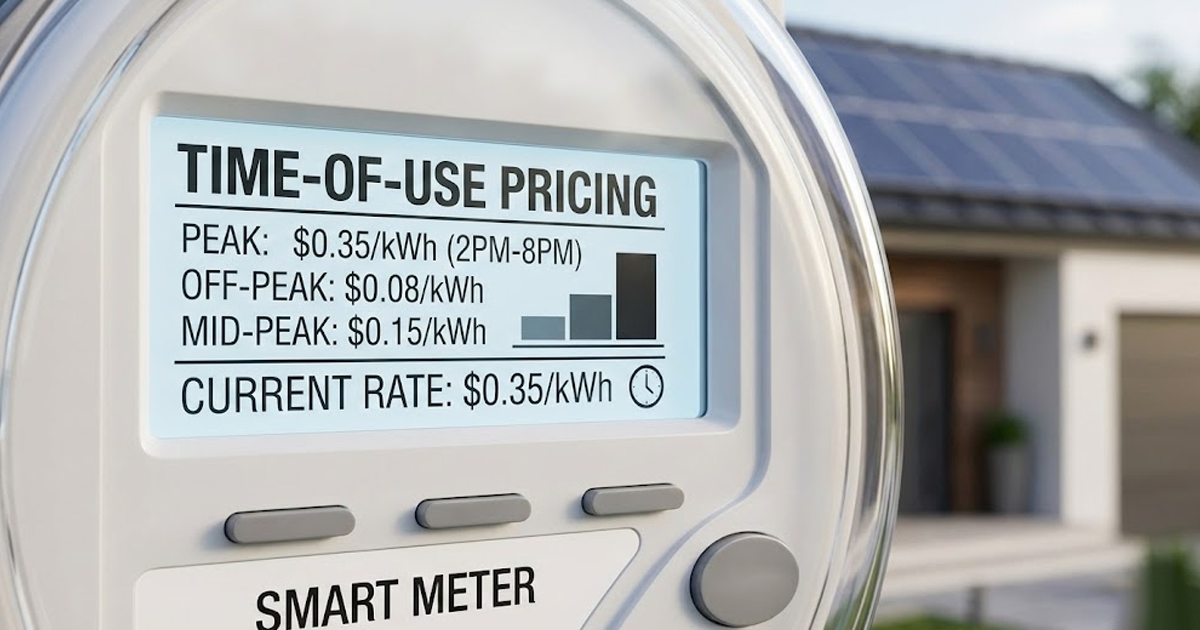
Time-of-Use (TOU) Rates
Predetermined prices varying by time blocks:
- Structure: Different prices for on-peak, off-peak, and shoulder periods
- Predictability: Prices known in advance, typically seasonal variation
- Customer Response: Shift flexible loads to off-peak hours
- Implementation: Requires interval metering (typically smart meters)
TOU Design Considerations
- Number and timing of pricing periods
- Price differentials that motivate behavior change
- Seasonal vs. year-round structures
- Weekday vs. weekend differentiation
- Simplicity vs. precision tradeoffs
Critical Peak Pricing (CPP)
Higher prices during limited high-cost events:
- Event-Based: Triggered 10-15 times per year during system stress
- Advance Notice: Day-ahead notification to customers
- Significant Price Spike: 5-10x higher than normal rates
- Duration Limits: Typically 3-6 hour events
CPP Variants
- CPP with Control: Utility can cycle customer equipment during events
- Variable Peak Pricing (VPP): Peak price varies by severity
- Critical Peak Rebates (CPR): Payments for load reduction instead of surcharge
Real-Time Pricing (RTP)
Prices varying hourly (or more frequently) based on wholesale costs:
- Market-Based: Retail prices linked to wholesale markets
- Day-Ahead: Prices posted 24 hours before delivery
- Hour-Ahead: Prices updated closer to real-time
- True Real-Time: Prices changing within operating hour
RTP Applications
- Industrial Customers: Large loads with flexibility
- Commercial Buildings: Automated response systems
- Advanced Residential: Tech-savvy customers with smart home systems
Customer Segmentation
Different customer classes suit different pricing approaches:
Residential Customers
- TOU: Simple, predictable, works with basic behavior changes
- CPP: Occasional events manageable for most households
- RTP: Limited appeal except with full automation
Small Commercial
- TOU often mandatory for certain usage levels
- CPP with advance notice allows planning
- Demand charges common alongside energy rates
Large Commercial & Industrial
- Sophisticated rate structures with demand charges
- RTP options for customers with operational flexibility
- Interruptible rates for certain processes
Implementation Requirements
Metering Infrastructure
- Interval Meters: Recording usage by time period (typically hourly)
- Communication Systems: Delivering data and price signals
- Customer Displays: In-home devices showing current prices and usage
- Data Management: Billing systems handling complex tariffs
Customer Education
Successful programs require extensive outreach:
- Bill impact calculators and simulations
- Usage analysis showing savings opportunities
- Tips for shifting loads
- Ongoing communications during events
- Customer support and troubleshooting
Demand Response Enabling Technologies
Technology helps customers respond to price signals:
- Programmable Thermostats: Auto-adjusting during high-price periods
- Load Control Switches: Utility or customer control of devices
- Smart Appliances: Grid-interactive equipment
- Battery Storage: Charging during low-price periods
- Electric Vehicle Charging: Optimized based on prices
- Building Automation: Commercial facility energy management
Pilot Program Results
Numerous pilots demonstrate dynamic pricing effectiveness:
California Statewide Pricing Pilot (SPP)
- TOU rates reduced peak demand by 5%
- CPP with control achieved 50% load reduction during events
- Enabling technology doubled response
- High customer satisfaction (>80%) with clear communications
Olympic Peninsula Project
- Transactive control and dynamic pricing demonstration
- Average 15% peak reduction
- Some customers achieved 50% savings
- Automated systems essential for complex pricing
Regulatory Considerations
Rate Design Approval
Commissioners evaluate multiple factors:
- Cost causation and allocation principles
- Revenue sufficiency and stability
- Customer impacts across income levels
- Opt-in vs. default enrollment
- Transition mechanisms from flat rates
Consumer Protection
- Bill impact limits or caps
- Protections for vulnerable populations
- Clear disclosure requirements
- Opt-out provisions
- Evaluation and adjustment mechanisms
Economic and Environmental Benefits
System-Wide Benefits
- Avoided Capacity: Reduced need for peak generating units
- Transmission/Distribution: Deferred infrastructure investments
- Market Efficiency: More responsive demand reduces price volatility
- Reliability: Lower peak demand improves reserve margins
Environmental Benefits
- Reduced use during high-emissions periods
- Better integration of renewable generation
- Lower overall fossil fuel consumption
- Air quality improvements
Challenges and Barriers
- Customer Acceptance: Resistance to change and complexity
- Low-Income Impacts: Ability to respond and avoid high prices
- Metering Costs: Infrastructure investment requirements
- Bill Volatility: Customer concern about unpredictable bills
- Administrative Complexity: Utility systems and processes
Best Practices
- Start with voluntary pilot programs
- Provide enabling technology to participants
- Invest heavily in customer education
- Design simple structures before complex ones
- Include bill protection mechanisms initially
- Monitor and evaluate program performance
- Adjust designs based on results and feedback